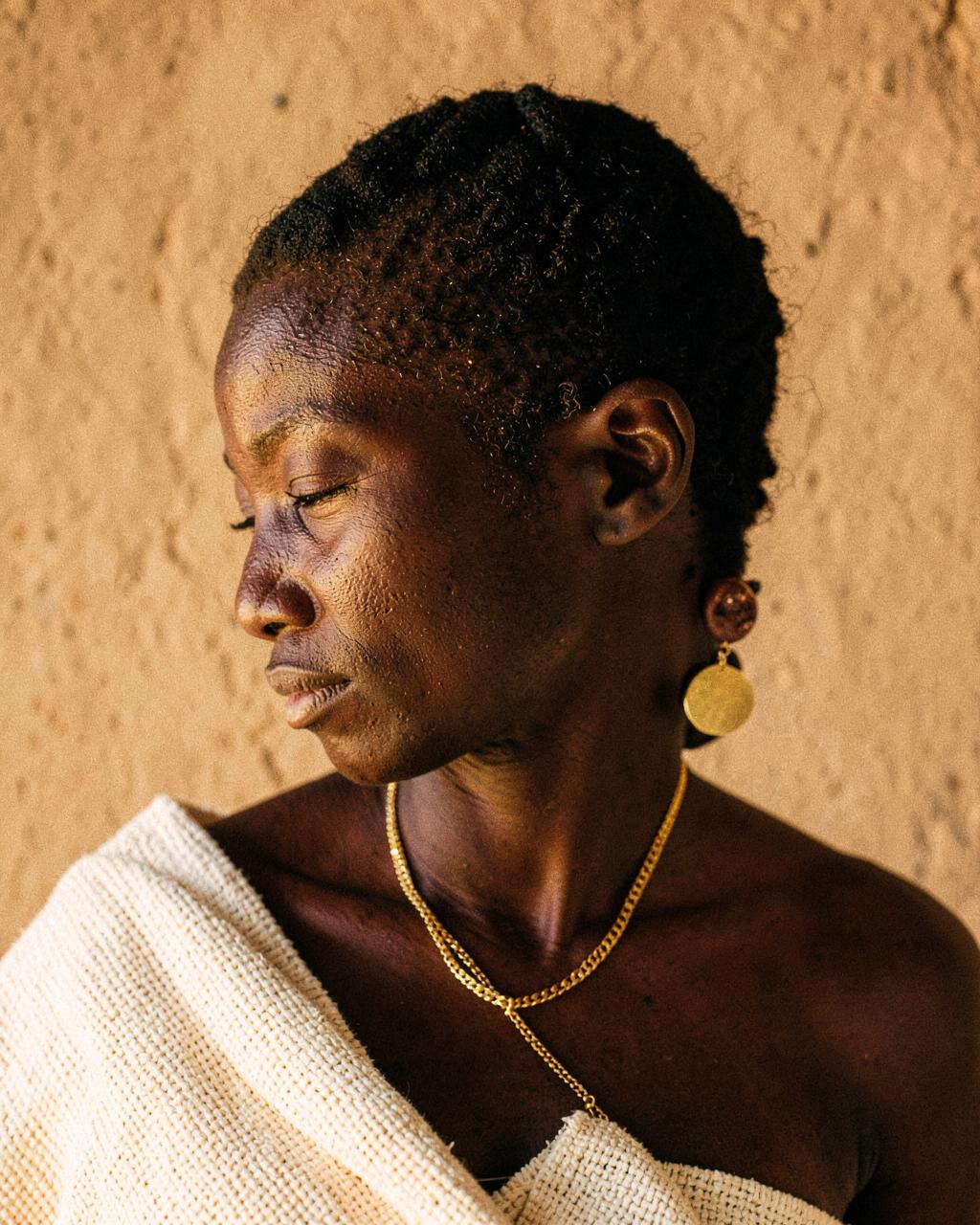
The journal · September 2026
The Sea That Joined Us
The Red Sea was never a border. It was a road — for frankincense, gold, ideas, families and faith. A short history of the connection BAHR HAGER is built upon.
6 min read
A road of water
Before the Suez Canal, before the empires drew their lines, the Red Sea was a thoroughfare. Dhows left Massawa and Zeila loaded with frankincense, myrrh, ivory, coffee and gold; they returned with textiles, spices, dates, porcelain and news. The wind — the monsoon — knew no passport. It simply carried.
On either shore people learned one another's songs, one another's recipes, one another's prayers. Ethiopian Christianity and the early churches of Yemen spoke to each other across the water. Sufi orders traveled the same routes as merchant families. A woman in Harar might wear a necklace made by a goldsmith in Jeddah; a bride in Sana'a might scent her dress with oil distilled in the highlands. The sea did not erase difference. It made difference familiar.
Gold that traveled
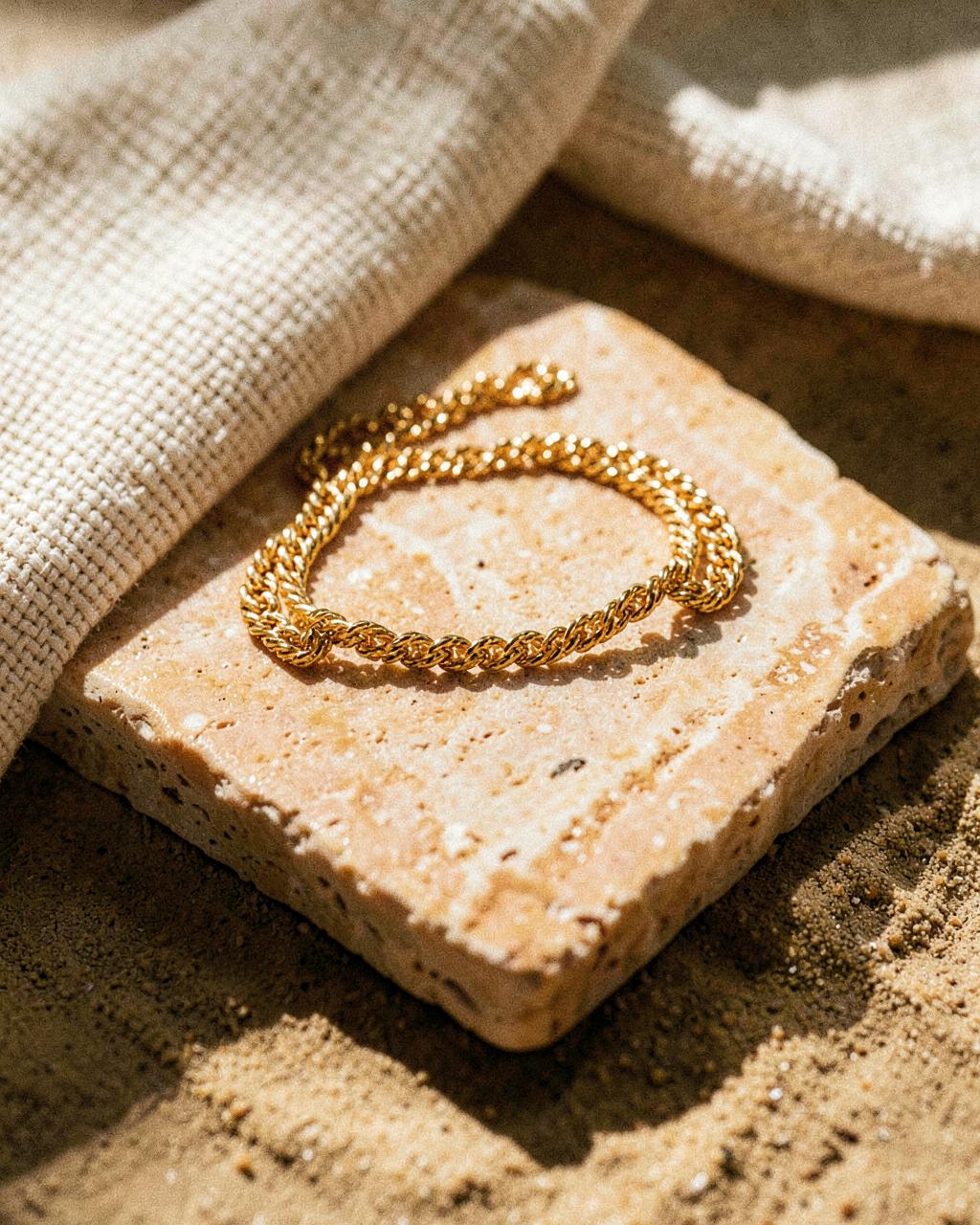
Gold has always been part of this movement. The highland mines of Ethiopia supplied kingdoms; the ports of the Hijaz and Yemen sent it onward. The techniques traveled too — filigree from the eastern Mediterranean, granulation from the Horn, chain-weaving from India and the Gulf. A Habesha bangle and a Yemeni bracelet share more than a color; they share a conversation across centuries.
BAHR HAGER's jewelry is made in that same 21K alloy — the karat that highland and coastal goldsmiths settled on because it glows and it holds. When you wear it, you are not wearing a single place. You are wearing the route.
Fragrance that marked arrival
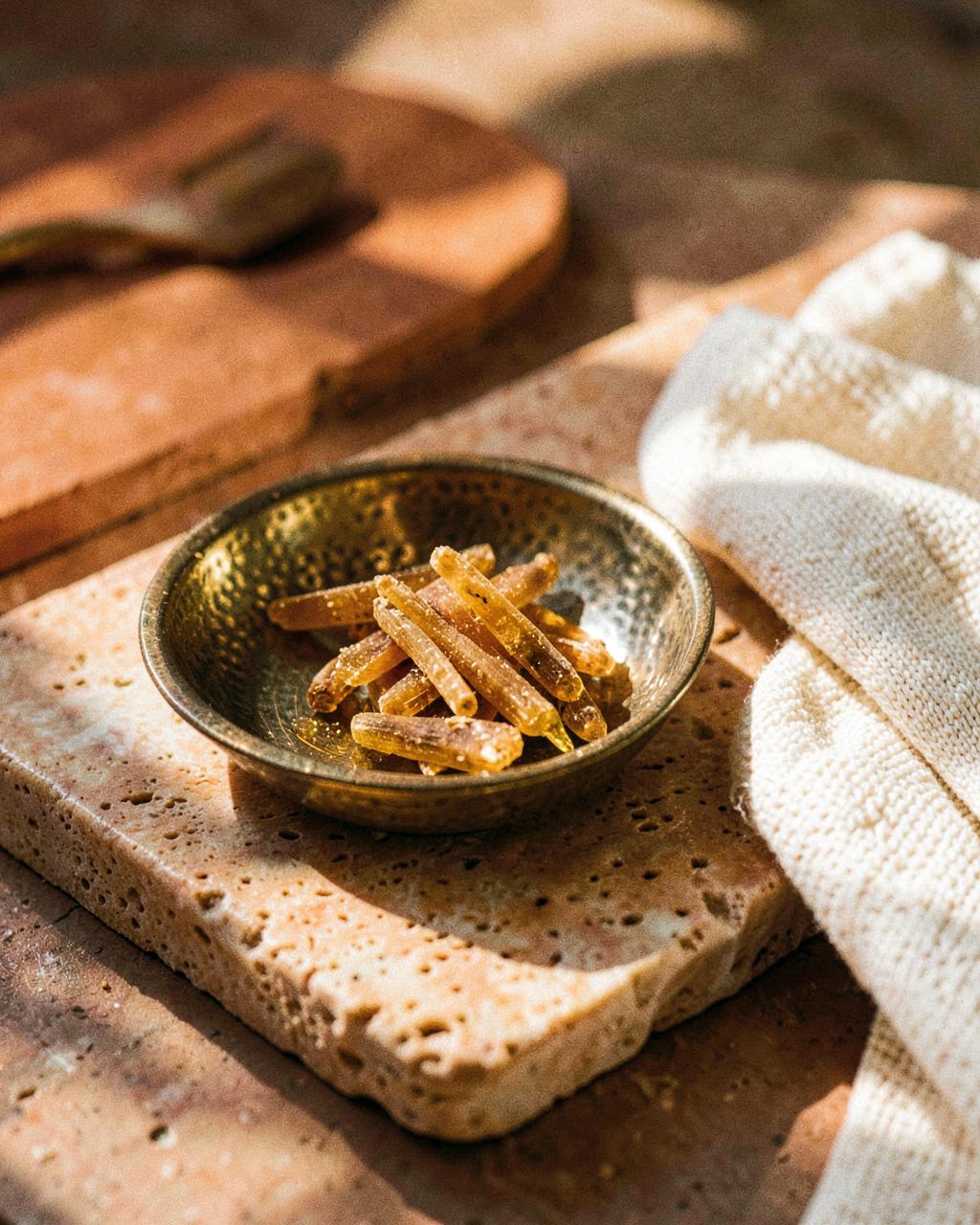
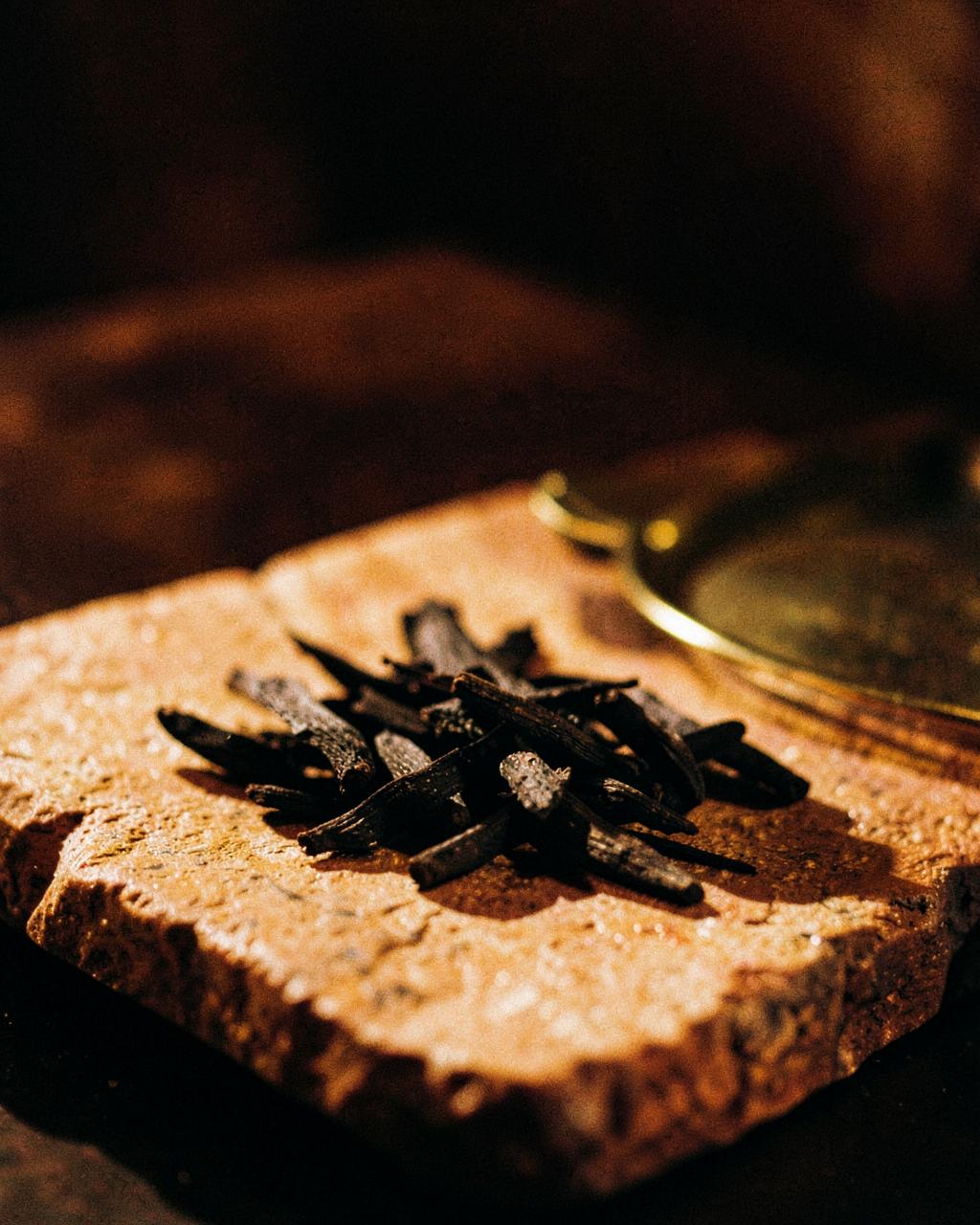
If gold was the currency of departure and return, incense was the language of welcome. Frankincense from the Dhofar mountains and the Somali coast rose in mosques, churches and courtyards on both sides of the sea. Myrrh marked the body for ceremony. Attar, rubbed onto the wrist, became a signature people remembered after the guest had gone.
A house was judged by its scent the way a person is judged by their greeting. Hospitality was — and remains — a serious art. The mubkhar is not a gadget; it is the physical shape of welcome.
The sea never divided us. It only gave us different shores from which to wave.
Pieces in this story
From the Collection
A World
Gathered Here.
The sea did not divide us. It carried gold, fragrance, craft and story from one shore to the other — and back again.